
The pokies floor at the Adelaide Oval hospitality precinct hums with that particular Saturday arvo energy – phones out, drinks in hand, a dozen screens cycling through numbers. It’s the same impulse that sends casual punters hunting for a trusted keno demo before they commit real cash. I’ve spent years covering how Australian operators package their games, and demo modes are where the polish – or the shortcuts – shows up first. Wolf-gold-au.net has been quietly curating these trial rooms, and what you see there before spending a cent usually tells you more than any glossy promo banner ever could.
Two Ways A Trial Room Actually Helps You Decide

Most punters treat a free spin like a warm-up lap, but the real value is in how the interface behaves when no money is on the line. I watched a mate from Norwood map out his first session on a demo table that ran on a familiar Western Australian licensing framework, and the difference was obvious: the number grid loaded in a single tap, the currency defaulted to AUD without a currency switcher cluttering the header, and the help panel answered in plain English rather than legal shorthand. That kind of everyday usability matters because keno is a numbers game that rewards patience, not frantic tapping. When the demo mirrors the live version’s navigation, you’re not guessing whether the real-money take a look version will feel clunky once your card is attached. It’s a simple test, but it separates operators who’ve sorted their localisation from those still patching it together after launch.
Abigail Scott, Marketing Director at Australian Gaming Futures, puts it plainly: “A demo mode should reflect the live product’s structure, not a stripped-back showcase.” That’s the litmus test I apply when I’m sizing up a new platform. If the trial room hides the bet slider behind a second menu, or if the results panel lags half a second behind the draw, you’re already seeing the operator’s priorities. The best trial setups let you adjust stake ranges, toggle between quick-pick and manual selection, and watch the draw animation without forcing you through a sign-up wall. That’s not a feature list – it’s a usability check, and it’s the kind of detail that pays off when you’re sitting in a busy Adelaide café trying to place a quiet five-spot ticket before the next round.
Reading The Demo Without Buying The Hype
Promotional copy loves to paint trial play as a risk-free rehearsal, but that’s a generous spin on what is essentially a practice run with the same odds as the paid version. I’ve seen operators dress up demo modes with flashy multipliers and animated confetti, then switch to a quieter, faster interface once you deposit. The credible read is simpler: treat the demo as a structural audit, not a preview of wins. You’re checking whether the number grid is readable on a phone, whether the auto-bet function actually pauses when you want it to, and whether the balance display updates in real time rather than after a short delay. Those are the everyday usability factors that decide whether a session feels smooth or fiddly when real money is involved.
The localisation piece matters just as much. A trustworthy trial room should default to Australian dollar formatting, show draw times that align with the operator’s published schedule, and use language that doesn’t read like a direct translation from a European dashboard. When I test these on a commute back from the city, I’m looking for the small things: a clear bet history that lets you trace a losing streak without scrolling through a wall of text, and a help section that answers questions about ticket limits without sending you in circles. If the demo feels like a polished brochure rather than a working interface, that’s a fair warning. The live version will usually inherit the same friction, just with your bank card attached.
For punters who want to compare how a trial mode stacks up against a properly structured checklist, a short read on wat is een demo modus casino en waarom is het handig lays out the practical questions worth asking before you commit. It’s a useful companion when you’re weighing whether a demo is actually reflecting the live product or just selling the idea of one.
Matching The Trial To How You Actually Play
Not everyone approaches keno the same way, and a demo that suits a casual five-spot punter won’t necessarily suit someone chasing a longer ticket across multiple rounds. I’ve seen two clear player-fit patterns emerge. The first is the casual tester who wants to confirm the interface behaves the way they expect before linking a payment method. For that group, the demo’s value is in confirming that the bet slider moves in sensible increments, that the draw history is easy to scan, and that the mobile layout doesn’t force horizontal scrolling on a standard phone screen. It’s a quick confidence check, and it’s the kind of session that ends with a clear yes or no before any real money moves.
The second pattern is the regular who uses the trial room to test a betting rhythm – say, a steady four-spot ticket with a fixed stake, repeated across a handful of draws to see how the results panel tracks. That’s where the demo’s structure matters most. If the auto-play function respects your stop conditions, if the balance updates without a visible lag, and if the ticket summary stays readable after ten or twelve rounds, you’ve got a decent sense of whether the live version will hold up during a longer session. It’s not about predicting outcomes; it’s about confirming the tool behaves the way your habits expect.
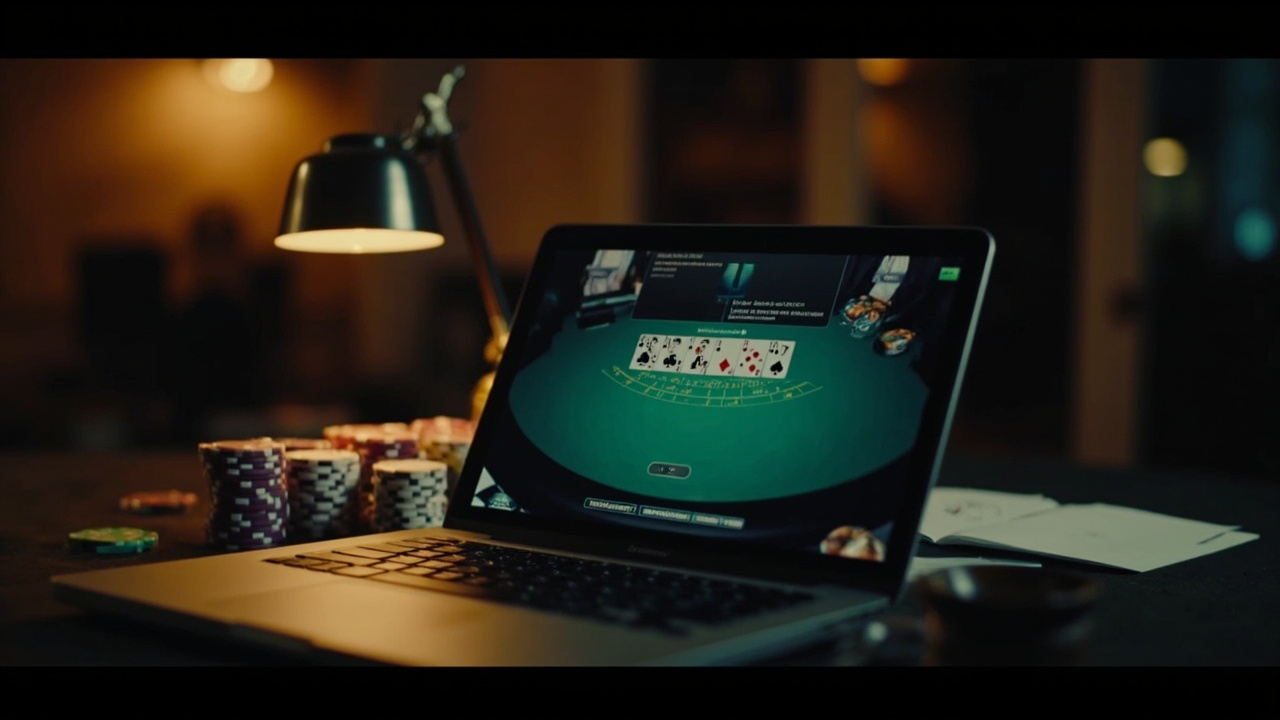
Wolf-gold-au.net keeps a running set of these trial rooms under one roof, and the consistency across their keno demos is what stands out: the same number grid, the same draw timing, the same AUD default, and the same plain-English help panel. That kind of uniformity matters when you’re comparing sessions across different operators, because it removes the guesswork from the interface itself. A demo is only as useful as the clarity it gives you about what the paid version will actually feel like, and that’s the standard worth holding to.
A keno demo is a free trial session that lets you test the interface, bet controls and draw flow without using real money. A near-certainty, or moral, is Aussie slang for an outcome that feels all but guaranteed – though no demo can deliver that. A ticket is your selected set of numbers for a single keno round, and a draw is the random result that determines which spots pay.wolf-gold-au.net Wat Is Een Demo Modus Casino
